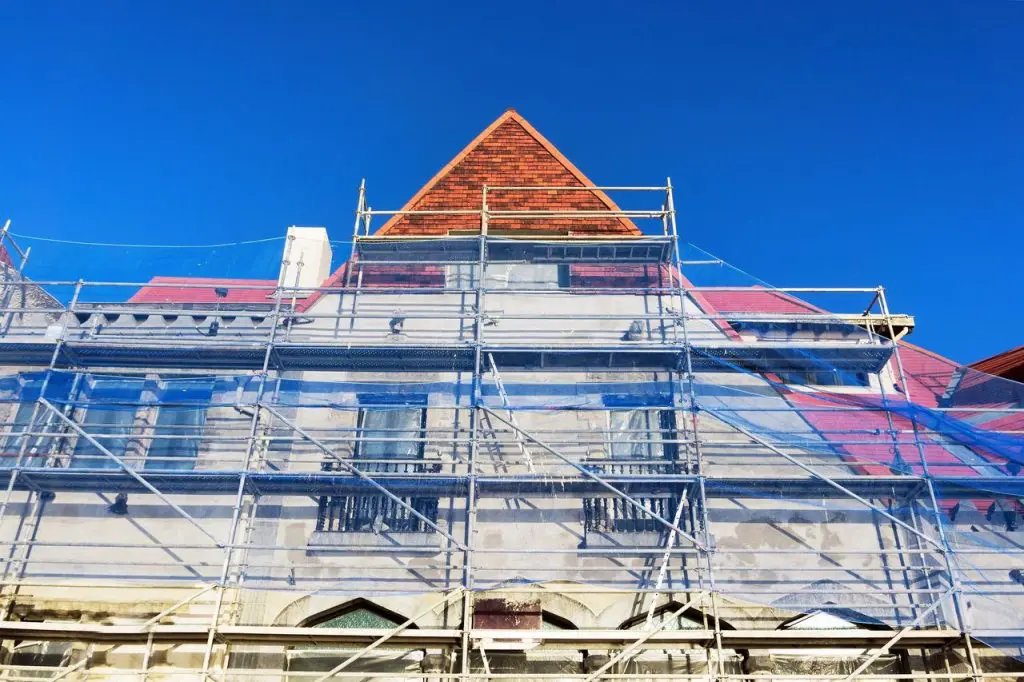
Remodeling a home is never a small undertaking—but remodeling a historic home in one of Chicago’s beloved neighborhoods like Lincoln Park or Andersonville brings with it an extra layer of care, complexity, and reward. These neighborhoods are known for their stunning architecture, rich history, and timeless charm. Whether you’re updating a Queen Anne Victorian or reviving a turn-of-the-century brick two-flat, your remodel isn’t just about aesthetics—it’s about honoring the past while making the space livable for today.
Let’s explore what makes historic home remodeling unique in Lincoln Park and Andersonville, what you need to know before you start, and how to find the right remodeling contractor to bring your vision to life.
Why Lincoln Park and Andersonville Homes Stand Out
Both neighborhoods have deep roots in Chicago’s story.
Lincoln Park, once home to the city’s elite in the late 19th century, boasts classic rowhouses, Italianate homes, and grand greystones. Meanwhile, Andersonville offers a more modest but equally beautiful selection of Swedish-influenced two- and three-flats, Craftsman bungalows, and mid-century brick homes.
What they share in common are:
- Designated landmark districts or blocks that fall under strict preservation guidelines
- Original materials like wood windows, tin ceilings, plaster walls, and intricate woodwork
- Stories in every detail—from the façade to the floorboards
What Qualifies as a “Historic Home”?
In Chicago, a home can be considered historic if it meets one or more of the following criteria:
- It’s located in a Chicago Landmark District (like the Arlington-Deming District in Lincoln Park)
- It’s on the National Register of Historic Places
- It retains original architectural details and craftsmanship from 50+ years ago
Keep in mind: not every older home is officially “historic,” but remodeling any home with aged, original elements calls for a sensitive approach.
Unique Challenges of Remodeling Historic Homes
Remodeling historic homes isn’t like remodeling a 1990s suburban build. Here’s what sets it apart:
Permits & Preservation Guidelines
If your home is in a landmark district, you’ll need special permissions and must adhere to the city’s Historic Preservation Division standards. This can affect everything from the color of your siding to the placement of new windows.
Structural Surprises
Behind those beautiful plaster walls, you may find knob-and-tube wiring, crumbling mortar, or outdated plumbing. Be prepared for surprises—and budget accordingly.
Matching Old with New
Finding materials that match the original (like reclaimed wood or antique moldings) can be time-consuming, but it’s essential for maintaining the historic look and feel.
Modern Needs vs. Old Layouts
Historic homes weren’t built with today’s lifestyles in mind. Open floor plans, modern HVAC, and energy efficiency all require careful planning and craftsmanship.
Must-Haves in a Historic Home Remodel
Before you swing the first hammer, consider these remodeling priorities for historic properties:
Restore, Don’t Replace
When possible, restore original features. Refinish that hardwood floor. Repair rather than replace wood windows. Original craftsmanship adds irreplaceable value.
Upgrade Infrastructure
Behind the scenes, your home should be just as strong as it looks. Update plumbing, electrical, and insulation to meet modern codes without disrupting the historical character.
Design with Context
Whether you’re redoing a kitchen or adding a bathroom, the design should reflect the era of your home—even if it includes all the bells and whistles of modern living.
Document the Process
Photograph and record what you find. Historical societies, neighbors, and even future buyers will appreciate the record of transformation.
Finding the Right Historic Home Contractors in Chicago
Not all home remodeling companies are experienced in working with vintage architecture or historic districts. Look for contractors who:
- Have experience with landmark properties in Chicago
- Understand zoning, permitting, and landmark district requirements
- Work with preservation architects, structural engineers, and specialized trades
- Can provide references and portfolios of similar projects in Lincoln Park or Andersonville
Ask prospective contractors about their approach to restoration, how they handle unexpected discoveries, and whether they source reclaimed or period-appropriate materials.
Popular Remodel Projects in Lincoln Park & Andersonville Historic Homes
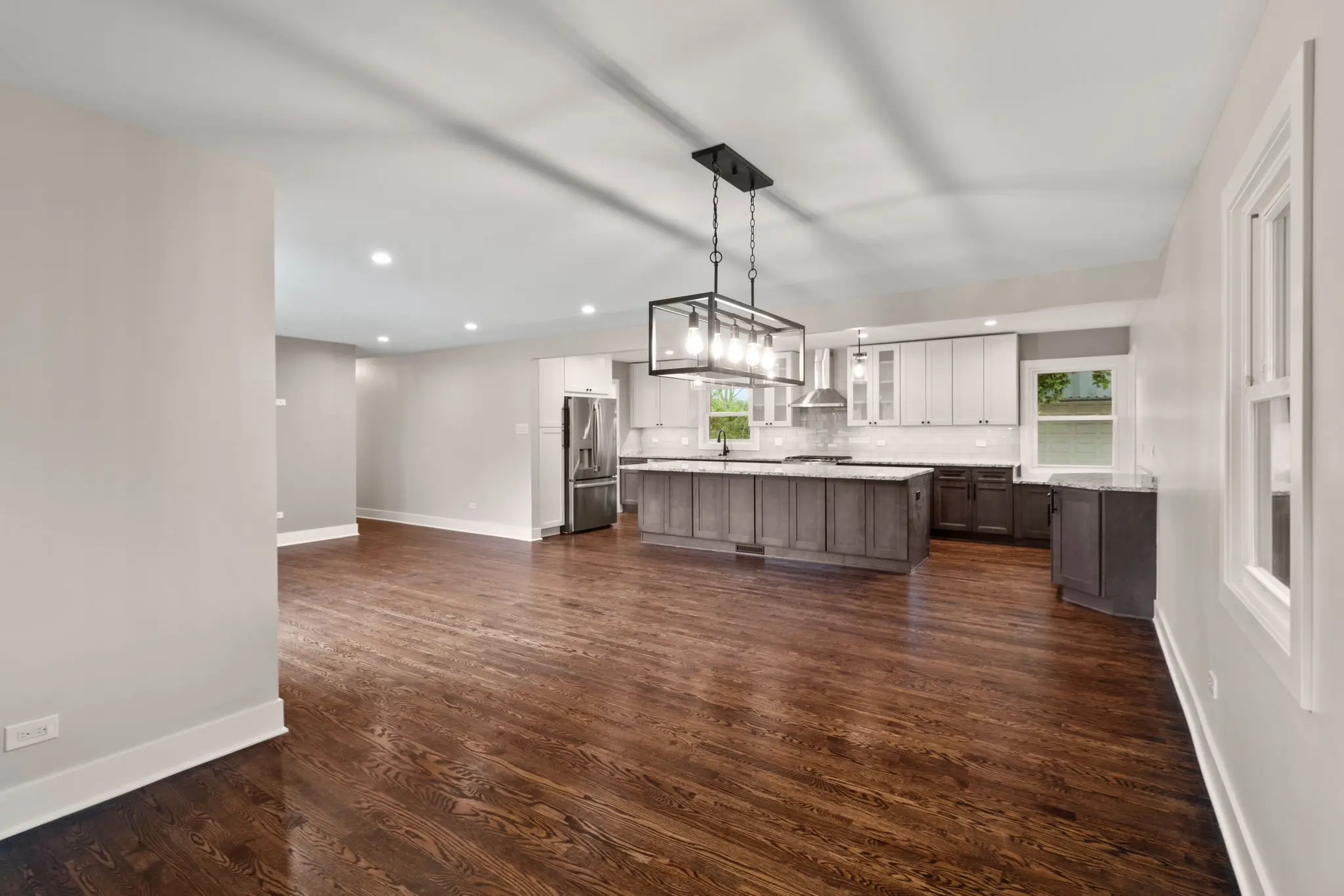
Kitchen Upgrades
Basement Finishing
Bathroom Additions
Historic homes often lack enough bathrooms. A well-placed half bath or a full bath addition can boost both functionality and value—without disrupting the flow of the original floor plan.
Window Restoration
Budget Considerations for Remodeling Historic Homes
Historic home remodels tend to cost more than typical renovations. Here’s why:
- Specialty labor and craftsmanship come at a premium
- Permit delays and red tape can slow down timelines
- Unforeseen conditions—like lead paint or structural damage—may require remediation
To budget wisely:
- Build in 20% extra for unexpected issues
- Choose phased remodeling to spread costs over time
- Partner with a contractor who knows the local market and can guide you on where to splurge and where to save
When to DIY and When to Call the Pros
Small cosmetic upgrades—like painting, swapping out light fixtures, or refinishing floors—can often be done DIY-style.
But for anything structural, electrical, or tied to your home’s historical designation, always call in the pros. The risk of damaging original features (or violating local ordinances) just isn’t worth it.
Final Thoughts: Preserving the Past, Creating Your Future
Remodeling a historic home in Lincoln Park or Andersonville is more than a construction project—it’s a love letter to Chicago’s past. With the right team, thoughtful planning, and a respectful approach, you can create a home that reflects your style while honoring the architectural legacy that makes these neighborhoods so special.
If you’re ready to start your historic home remodel, don’t just search “contractors in Chicago” and pick the first name that pops up. Seek out experienced remodeling contractors in Lincoln Park, or those specializing in remodeling historic homes throughout the city. Your home deserves nothing less than a legacy-minded approach that stands the test of time.
Ready to bring new life to your historic home? We’ve handled plenty with care—and we’ll make sure yours gets the attention it deserves. Contact Moller Builders today.