Building a new home is one of the biggest investments you’ll ever make—not just financially, but emotionally as well. It’s about creating a place where memories will be made, holidays celebrated, and everyday life enjoyed. That’s why selecting the right home builder is just as important as choosing your floor plan or location.
If you’re searching for a home builder in Skokie, a custom home builder in Evanston, or even exploring options across the greater Chicago area, you’ll want to approach the decision with care. The right builder makes the process exciting and stress-free. The wrong one can lead to delays, unexpected costs, and a home that doesn’t reflect your vision.
Here’s a guide on how to choose a home builder—complete with practical home building tips to help you feel confident in your choice.
Why Choosing the Right Builder Matters
A home isn’t just four walls and a roof—it’s your future. That’s why many families turn to an experienced custom home builder rather than settling for a cookie-cutter design. A builder’s expertise affects everything from the structural integrity of your home to the finishes in your kitchen.
The right builder should:
- Understand your lifestyle and design preferences.
- Offer transparency in pricing and timelines.
- Communicate clearly throughout the process.
- Provide a track record of quality craftsmanship.
In short, learning how to choose a builder for your new home is one of the most important steps in the entire journey.
Step 1: Define Your Needs and Vision
Before you even start interviewing builders, get clear on your priorities. Do you want:
- A fully customized home built from scratch?
- A semi-custom option with pre-designed floor plans?
- Energy-efficient features or smart home technology?
- A modern city home versus a traditional suburban style?
This clarity will help you narrow down whether you need a general home builder in Chicago or a custom home builder who specializes in more personalized projects.
Step 2: Research Local Builders
Start local. Builders with experience in your community understand neighborhood styles, local building codes, and even soil and climate considerations that could affect construction.
For example:
- A home builder in Skokie may specialize in maximizing smaller urban lots.
- A custom home builder familiar with Evanston may focus on blending modern amenities with historic neighborhood charm.
- A home builder with experience building in Chicago’s urban core may be adept at working within tight city lot restrictions.
Reading reviews, checking websites, and asking for recommendations from neighbors are excellent first steps.
Step 3: Check Credentials and Experience
Not all builders are created equal. Before signing any agreements, verify that your potential builder has:
- Proper licensing and insurance.
- Experience with the type of home you want to build.
- A strong portfolio of completed projects.
- Membership in professional associations, which often signals a commitment to industry standards.
These background checks are essential when learning how to choose a custom home builder who will protect your investment.
Step 4: Tour Model Homes and Past Projects
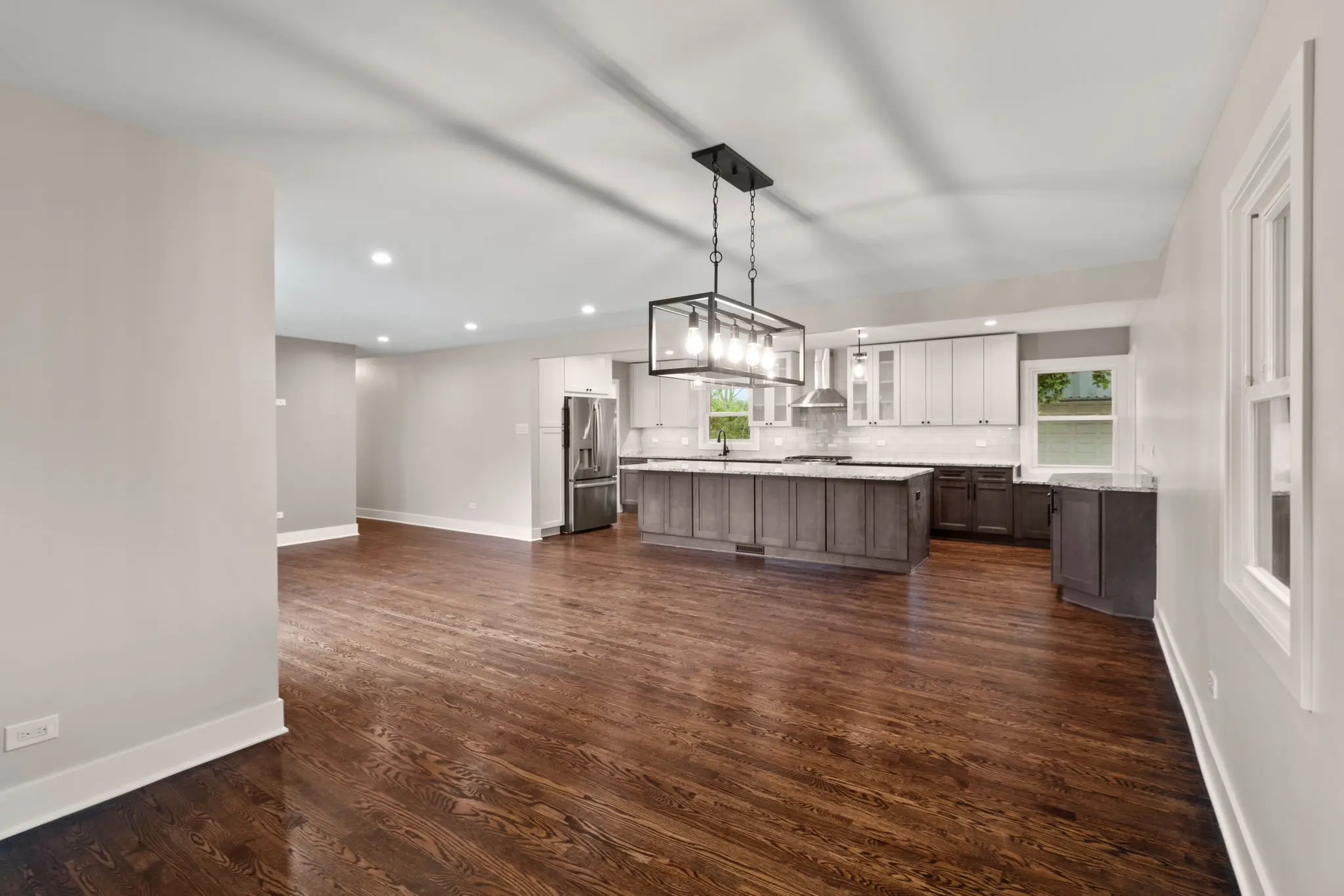
Photos online can be inspiring, but there’s no substitute for walking through a builder’s completed projects in person. Touring homes allows you to see the quality of craftsmanship firsthand—whether it’s cabinetry, flooring, or overall layout flow.
For example, if you’re considering a custom home builder in Evanston, ask if they can show you homes they’ve built nearby. Seeing work in your target area gives you confidence that the builder understands local expectations and styles.
Step 5: Ask the Right Questions
Knowing how to choose a home builder often comes down to asking the right questions during interviews. Some essentials include:
- How many years have you been in business?
- Do you specialize in fully custom homes or semi-custom builds?
- How do you handle changes to the project mid-construction?
- What’s your average build timeline?
- How do you communicate progress with clients?
- Can you provide references from recent projects?
The answers reveal not only the builder’s expertise but also their transparency and communication style.
Step 6: Understand the Budget and Contract
Budgeting is one of the trickiest parts when it comes to custom home building tips. The best builders provide a clear breakdown of costs—including allowances for finishes like flooring, appliances, and fixtures.
Before you sign, make sure you understand:
- What’s included in the price—and what isn’t.
- How the builder handles unforeseen costs.
- Payment schedules and financing options.
A trustworthy home builder in Chicago or its suburbs will be upfront about costs and timelines, helping you avoid surprises.
Step 7: Evaluate Communication and Compatibility
Building a home can take several months to over a year, depending on size and complexity. That means you’ll be in close contact with your builder for quite some time.
Pay attention to how they respond to your questions during the selection process. Are they patient and clear? Or do they rush you through? Choosing a builder you feel comfortable with is one of the best home building tips for ensuring a smooth experience.
Step 8: Look for Customization Options
One of the biggest perks of working with a custom home builder is personalization. Ask about flexibility in floor plans, finishes, and upgrades.
For instance:
- Can they adapt a design to fit a narrow Chicago city lot?
- Do they offer eco-friendly options or solar integrations?
- Are they open to unique layouts or architectural styles?
Builders who listen and adapt to your needs are worth their weight in gold.
Step 9: Consider Warranty and Aftercare
A home build doesn’t end when you get the keys. A reputable home builder in Skokie, Evanston, or beyond should stand behind their work with warranties on both structure and systems. Ask about:
- Structural warranties (often 10 years).
- Workmanship warranties (typically 1–2 years).
- What service or support is available post-move-in.
This aftercare is a hallmark of a quality builder who values long-term client satisfaction.
Step 10: Trust Your Instincts
Finally, trust your gut. Numbers and references are important, but if a builder doesn’t make you feel comfortable, it’s worth exploring other options. A home build is too significant to settle for anything less than confidence and trust in your team.
Final Thoughts: Building with Confidence in Chicago’s North Shore
Learning how to choose a builder for your new home may feel overwhelming, but with the right approach, it becomes an empowering step toward your dream home. By researching local expertise, checking credentials, touring projects, and asking the right questions, you’ll be able to find a partner who aligns with your vision.
Whether you’re looking for a home builder in Skokie, a custom home builder in Evanston, or a trusted home builder in Chicago, the right partner makes all the difference. With thoughtful planning and the Moller Builders by your side, you can turn your ideas into a home that’s truly one-of-a-kind. Contact us to get started!