Remodeling in 2025? Start With the Code
The dream of transforming your outdated kitchen or finally upgrading your bathroom comes with an important caveat: in Chicago, no home remodel should begin without understanding the Chicago building code. As of 2025, several key changes have taken effect that every homeowner must know before picking up a sledgehammer or hiring a contractor.
Whether you’re planning a modern kitchen remodel, refreshing your exterior, or finally updating that bathroom from the 90s, these code updates can make or break your project.
Why the Chicago Building Code Matters
The Chicago building code is more than just a rulebook—it’s a safety net for your home, your family, and your investment. It dictates everything from structural requirements to plumbing, electrical, and energy efficiency standards. Even seemingly minor updates like a new light fixture or sink installation can trigger code compliance issues if not handled properly.
Ignoring the code can lead to serious consequences, including:
- Failed inspections
- Fines or Chicago building code violations
- Stop-work orders
- Problems selling your home later
That’s why partnering with local remodeling contractors who know the code inside and out isn’t just smart—it’s essential.
What’s New in the 2025 Chicago Building Code?
The 2025 update to the Chicago building code includes several revisions in line with national standards like the International Building Code (IBC) and International Residential Code (IRC). While these changes make Chicago homes safer and more energy-efficient, they also mean more complexity for homeowners planning renovations.
Here are a few key areas where the 2025 code updates may impact your remodel:
1. Bathroom Remodels: Ventilation and Water Efficiency
Planning a bathroom remodel in 2025? New code requirements now mandate:
- Improved ventilation: Mechanical ventilation is now required in all full bathrooms—even if a window is present.
- Low-flow fixtures: Toilets, faucets, and showerheads must meet stricter flow rate standards to conserve water.
- Accessible design features: If you’re doing a full gut remodel, you may be required to include accessibility upgrades such as wider doorways or grab bar reinforcement.
These seemingly small changes can have ripple effects on layout and plumbing plans, so make sure your remodel contractor is up to date on the specifics.
2. Kitchen Remodels: Electrical and Fire Safety
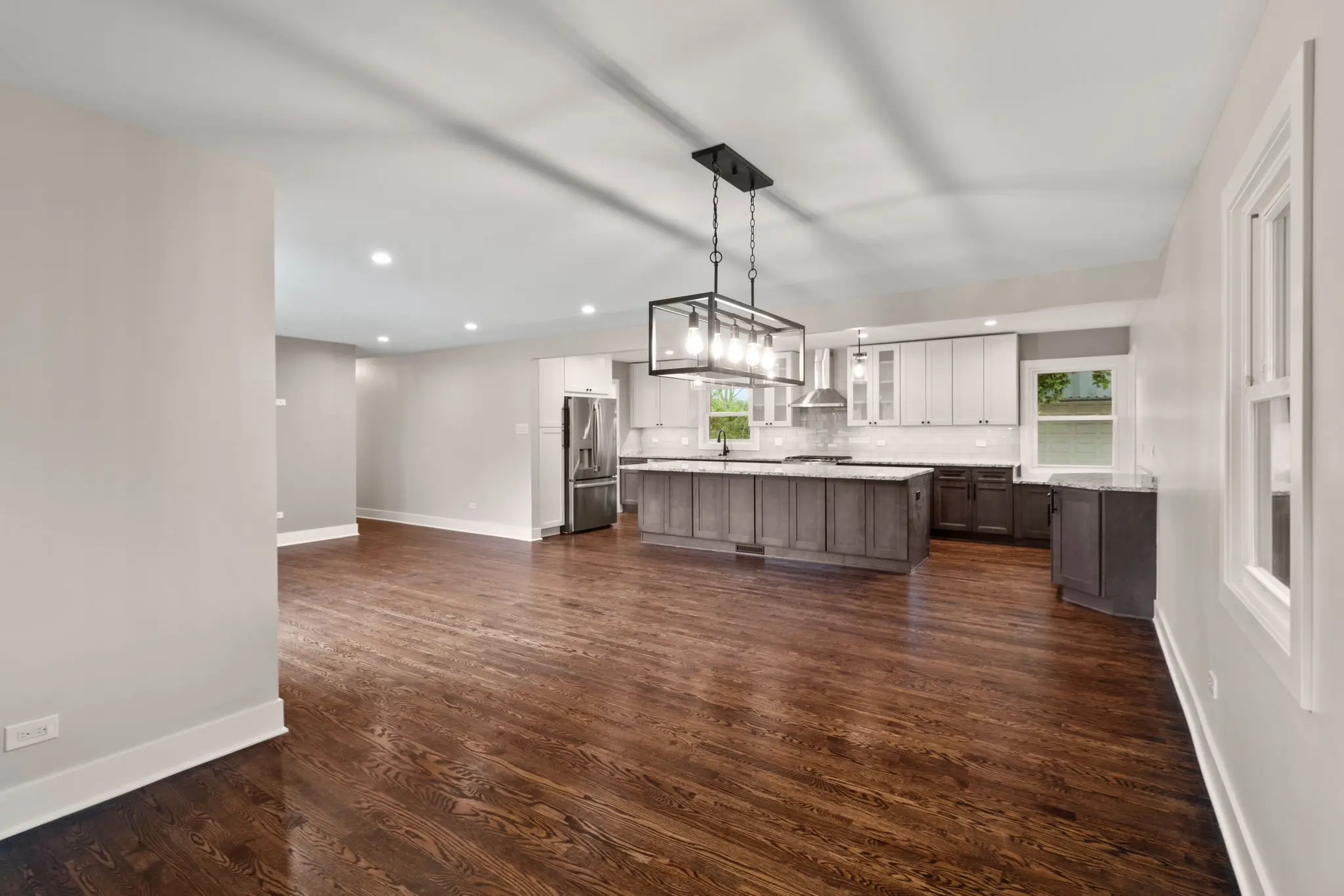
A kitchen remodel is one of the most common—and most code-sensitive—projects. The 2025 code brings:
- Stricter GFCI/AFCI outlet placement: All outlets within 6 feet of water sources must be GFCI-protected. Arc-fault protection is now required on most kitchen circuits.
- Range hood standards: Venting must now be fully ducted to the outdoors, with minimum airflow standards.
- Energy-efficient lighting: At least 90% of permanently installed lighting must meet energy efficiency standards.
It’s tempting to DIY parts of your kitchen update, but improper wiring or venting is a fast track to Chicago building code violations. Always work with local home remodeling contractors who have a proven track record with kitchens.
Exterior Home Remodeling: Code Still Applies
Think the building code only applies indoors? Think again. Exterior home remodeling projects are just as impacted by the 2025 changes.
Here’s what to keep in mind:
- Insulation upgrades: If you’re replacing siding, expect to meet new R-value requirements for exterior walls.
- Window and door replacements: U-factor and solar heat gain coefficients must now meet stricter energy performance criteria.
- Porch and deck construction: Structural requirements and railing heights have been updated to improve safety.
These updates are all about sustainability and safety—but they also require more detailed planning and sometimes higher upfront costs. The right contractor can help you navigate these with confidence and keep your project moving.
How to Avoid Chicago Building Code Violations
If you’ve heard horror stories about remodels being shut down due to Chicago building code violations, it’s usually because of one of the following:
- Unpermitted work
- DIY electrical or plumbing
- Hiring unlicensed contractors
- Skipping required inspections
Here’s how to avoid that fate:
- Always pull the right permits. Even for “minor” projects, it’s often required. A reputable contractor will handle this for you.
- Hire professionals who know local code. Moller Builders is based out of Skokie and our team has years of Chicago-specific experience under its belt.
- Get everything in writing. That includes scope of work, materials, inspection timelines, and who’s responsible for code compliance.
- Don’t try to cut corners. Code violations can cost far more to fix later than they would’ve cost to do right the first time.
Choosing the Right Local Remodeling Contractor
The key to a smooth, code-compliant remodel? Working with local remodeling contractors who know Chicago’s regulations like the back of their hand. They can:
- Spot code issues before they become problems
- Help design with compliance in mind
- Handle permits and inspections
- Ensure your remodel is not just beautiful, but legal
When searching for a “remodel contractor near me,” look for:
- Local licensing and insurance
- Experience with similar remodels (especially in historic neighborhoods)
- Clear estimates and communication
- Familiarity with the Chicago building code and recent updates
Moller Builders checks all those boxes—and then some.
Final Thoughts: A Remodel You Can Trust
A beautiful remodel starts with a solid foundation—and that includes understanding the Chicago building code. The 2025 updates add new layers of safety, efficiency, and complexity, but you don’t have to navigate them alone.
Whether you’re dreaming of a sleek new kitchen, a spa-like bathroom, or a refreshed exterior, Moller Builders is your trusted partner in making it happen. Our team of local home remodeling contractors handles every detail—from code compliance to final finishes—so you can enjoy your updated space with confidence.
Ready to get started? Let’s build something great—and code-compliant—together.